


Identities
WMC Insight+ surfaces pre-dark web email credentials, card data, and BINs harvested by phishing sites to protect customers and employees before account takeover
Recover stolen credentials at first exposure
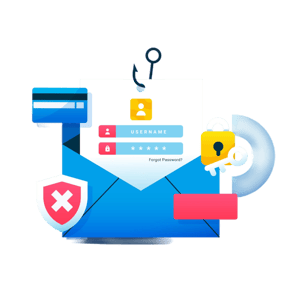
As phishing campaigns collect victim data, WMC Insight+ detects exposure and captures compromised credentials at the source. This pre–dark web vantage point gives you a crucial time advantage, allowing teams to prevent monetization before attackers can use the data for ATO or downstream fraud.
Query and monitor a continuously growing repository of compromised identities collected from confirmed phishing sites, before reaching the dark web. Filter by brand, type, and date, export actionable lists, and connect findings to reset, MFA, and watchlist workflows; integrated role-based visibility ensures PII protection.
Made for Action. Built for Scale
Benefits of using WMC Insight+ for early credential theft recoveryPre-Dark Web
Capture compromised credentials at first exposure in phishing attacks, not weeks or months later when it's too late.
Reduce ATO Risk
Identify exposed accounts early and prioritize resets or step‑up MFA before attackers reuse credentials.
Accelerate Investigations
Tie exposures to campaign context and pivot to related malicious URLs or underlying kits to ensure threat containment.
Operational Efficiency
Replace ad‑hoc scraping with a searchable, exportable repository and repeatable playbooks to standardize threat response.
How It Works
Step-by-step example how identity management is handled within WMC Insight+1
Collect
Confirmed phishing sites are ingested; readable artifacts are extracted.
2
Normalize
Emails, card data, and BINs are structured for fast lookup.
3
Analyze
Query and monitor by brand, identity type, and date to focus action.
4
Act
Export targets for resets/MFA/watchlists; notify customers where appropriate.
5
Coorelate
Pivot to phishing URLs and phishing kits to understand campaign sources and scope.
WMC Insight+ for Identities
Key Capabilities

Searchable Exposure Data
Find emails, card data, and BINs linked to phishing incidents; pinpoint affected populations quickly.

Precision Filters
Segment by brand, type, and date to prioritize the right accounts

Actionable Exports
Return credentials via API to your IAM/CIAM so you can force password resets and step‑up MFA automatically.

Campaign Context
Connect identities to source URLs/kits to inform response and guide triage.

Shrink Dwell Time
Convert external exposure into immediate action, reducing the window where fraud can occur

Audit & Provenance
Maintain evidence lineage for internal reviews and compliance
Integrations. Security. Access
APIs
Pull exposure data into IAM/MFA, fraud, or SIEM/SOAR workflows.
Exports
CSV/JSON for resets, customer comms, and case systems.
Automation
Trigger risk‑based challenges or forced resets from exposure hits.
PII-Aware Controls
Role‑based control access currently available; enhanced data security & granular permissions coming soon.
Compliance-Friendly
Supports audit, legal, and customer protection workflows.
FAQs
What does "pre-dark web" and "first exposure" mean here?
It means credentials are captured as they are collected by live phishing operations, allowing protective actions before data circulates publicly.
What identity types are included?
Commonly email credentials, card data, and BINs captured from confirmed phishing sites.
How quickly can we act on exposures?
Use filters to find at‑risk users immediately and export targets for resets/MFA.
Can we automate protective actions?
Yes. Recovered credentials are delivered via APIs to your IAM/MFA and fraud systems so you can force resets, apply step‑up, add risk flags, and trigger notifications automatically.
Can we see where an exposure came from?
Yes—review provenance and pivot to related URLs/kits to understand scope and recurrence.
Can WMC Insight+ scale for large spikes of credential theft?
Yes, search and export are built for high‑volume events and repeated playbooks.
How does this fit into our incident workflow?
Plug into SOAR and ticketing systems to open cases, assign actions, and document outcomes; without manual copy/paste or context switching.